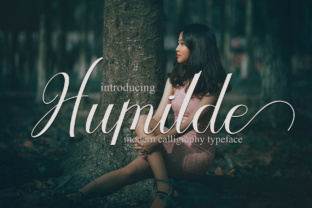
Humilde: A Handwritten Script for Authentic Design and Strategic Expression
Humilde is more than just a font—it’s a tool that can elevate the visual language of your creative projects. This handwritten script font brings a warm, personal touch to any design, making it ideal for branding, marketing, and content creation. Its unique style adds an authentic feel that resonates with audiences, helping you stand out in a crowded digital space.
Designed with versatility in mind, Humilde offers a wide range of alternates, allowing for greater customization and creative freedom. Whether you're working on a logo, social media post, or print material, this font provides the flexibility needed to match your specific needs. By understanding how to use Humilde strategically, you can enhance your design outcomes and achieve more meaningful results.
Why Humilde Matters in Modern Design
In a world where digital typography dominates, the human touch of a handwritten font like Humilde can make a significant difference. It introduces a sense of approachability and sincerity that many clean, geometric fonts lack. This makes it particularly effective for brands aiming to build emotional connections with their audience.
For entrepreneurs and small business owners, Humilde can be a powerful ally in creating a cohesive brand identity. When used consistently across marketing materials, it helps reinforce brand personality and values. For example, a boutique coffee shop might use Humilde in its logo and packaging to evoke a sense of craftsmanship and care.
Marketers and content creators can also benefit from using Humilde in headlines, callouts, and social media visuals. Its organic look can make content feel more engaging and relatable, especially when targeting younger demographics who value authenticity over perfection.
Strategic Use Cases for Humilde
Humilde is best utilized when the goal is to convey warmth, creativity, or a personal connection. It works well in situations where a more informal or artistic tone is appropriate. Here are some practical scenarios where Humilde can be effectively applied:
- Branding: Use Humilde for logos, taglines, or brand names to create a memorable and distinctive visual identity.
- Marketing Materials: Incorporate it into email newsletters, posters, or banners to add a human element to your messaging.
- Content Creation: Apply it to blog titles, captions, or infographics to make your content more visually appealing and engaging.
- Print Projects: Consider it for business cards, brochures, or packaging to add a tactile, handcrafted feel.
By aligning the use of Humilde with your broader design strategy, you can ensure that it enhances rather than detracts from your overall message.
Planning Your Approach with Humilde
Before integrating Humilde into your projects, it’s important to consider how it fits within your design ecosystem. Start by defining the purpose of each piece you’re working on. Is the goal to inspire, inform, or persuade? The answer will influence how you apply the font.
For instance, if you’re designing a website, you might use Humilde for headings to draw attention while keeping body text in a more readable typeface. This balance ensures that the font remains impactful without compromising usability.
Another key consideration is consistency. If you choose to use Humilde in multiple areas of your design, maintain a cohesive style to avoid visual clutter. This includes selecting complementary colors, spacing, and other typographic elements that work well together.
Maximizing Design Potential with Alternates
One of the standout features of Humilde is its extensive set of alternates. These variations allow you to customize the font to suit different contexts and moods. For example, you might use one alternate for a bold headline and another for a subtle subheading.
This flexibility can help you avoid repetition and keep your designs fresh. It also gives you more control over the tone of your messaging. A creative professional might use different alternates to reflect the unique personality of each project, ensuring that the font remains versatile and adaptable.
However, it’s important to use these alternates thoughtfully. Overusing them can lead to inconsistency and confusion. Instead, focus on selecting a few key variations that align with your design goals and apply them strategically.
When Not to Use Humilde
While Humilde is a powerful tool, it’s not suitable for every situation. In environments where clarity and professionalism are paramount, a more structured typeface may be more appropriate. For example, in legal documents, financial reports, or technical manuals, the readability of the text should take precedence over stylistic flair.
Additionally, if your target audience is more formal or traditional, using a handwritten font could undermine the perceived credibility of your message. In such cases, it’s better to opt for a more conventional typeface that aligns with industry standards.
It’s also worth noting that Humilde may not render well in all platforms or devices. Always test it across different mediums to ensure that it maintains its intended appearance and legibility.
Long-Term Value of Intentional Font Use
The strategic use of Humilde can contribute to long-term design success when approached with intention. Rather than using it as a quick fix for aesthetic appeal, consider how it supports your broader goals. This might involve aligning it with your brand’s voice, audience preferences, or market positioning.
Over time, consistent and thoughtful application of Humilde can help build a recognizable visual identity. This can strengthen brand recall and foster deeper connections with your audience. For businesses looking to establish a lasting presence, this level of intentional design can be a valuable asset.
Moreover, as trends evolve, having a font like Humilde in your toolkit allows for adaptability. It can be reimagined and repurposed across different campaigns and formats, ensuring that your design efforts remain relevant and effective.
Conclusion: Using Humilde with Purpose
Humilde offers a unique blend of style and functionality that can enhance your creative projects when used with care. By understanding its strengths and limitations, you can leverage it to achieve more meaningful design outcomes. Whether you’re building a brand, crafting content, or designing for print, this font has the potential to add depth and character to your work.
Ultimately, the key to success lies in using Humilde intentionally. Align its application with your goals, plan its integration carefully, and remain mindful of its impact. In doing so, you’ll not only improve the aesthetics of your designs but also strengthen the overall effectiveness of your communication.