Genit: The Elegant Handwritten Script for Minimalist Design
When it comes to typography, the right font can make all the difference. Genit is a classically inspired handwritten script that brings a sense of elegance and modernity to any design project. With its natural flow and refined aesthetics, Genit has become a go-to choice for professionals who value simplicity and sophistication. As Leonardo da Vinci once said, “Simplicity is the ultimate form of sophistication.” This philosophy aligns perfectly with the essence of Genit, making it an ideal font for minimalist design.
What Is Genit?
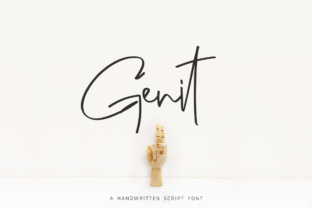
Genit is a handcrafted script font designed with a focus on minimalism. It features clean lines, subtle curves, and a balanced structure that makes it highly readable even at smaller sizes. Unlike many other script fonts that can be overly ornate or difficult to read, Genit maintains a level of clarity that ensures it works well in both digital and print formats.
Developed for designers, creators, and business professionals, Genit was created with the goal of providing a versatile and elegant solution for a wide range of design needs. Whether you're working on a logo, a website, or a marketing campaign, Genit offers a timeless look that feels both modern and authentic.
Key Features of Genit
- Elegant Handwriting: Genit mimics the natural flow of handwriting, giving designs a personal and artistic touch.
- Minimalist Structure: The font is designed to be simple yet visually appealing, making it perfect for clean and uncluttered layouts.
- High Readability: Despite its script style, Genit remains easy to read, especially in body text and headings.
- Flexibility: Genit works well in a variety of contexts, from branding to editorial design.
Why Choose Genit for Minimalist Design?
Minimalist design is more than just a trend—it's a powerful approach that emphasizes clarity, functionality, and visual harmony. In this context, Genit stands out as a font that supports these principles without compromising on style. Its simplicity allows it to blend seamlessly into a design while still adding a unique character.
For businesses looking to establish a professional image, Genit provides a sophisticated alternative to standard sans-serif fonts. It conveys a sense of refinement and creativity, which can be particularly valuable for brands in the arts, fashion, or lifestyle industries.
Additionally, Genit’s versatility makes it suitable for both digital and print media. Whether you’re designing a website, a social media post, or a brochure, Genit adapts well to different formats and sizes, ensuring consistent visual appeal across platforms.
Real-World Applications of Genit
Genit is widely used in various design scenarios. Here are some common applications:
- Logo Design: Genit adds a personal and artistic touch to logos, making them stand out while maintaining a professional appearance.
- Branding Materials: From business cards to packaging, Genit helps create a cohesive and stylish brand identity.
- Web Typography: Genit is often used in web design to add a humanized feel to headings and call-to-action buttons.
- Editorial Projects: In magazines, newsletters, and books, Genit can be used to highlight key sections or add a decorative element to the layout.
Who Benefits from Using Genit?
Genit is particularly beneficial for a wide range of users, including:
- Business Owners: Those looking to build a strong and recognizable brand can use Genit to create a distinctive visual identity.
- Designers: Graphic designers, web developers, and typographers appreciate Genit for its balance of style and functionality.
- Creators: Artists, illustrators, and content creators can use Genit to enhance their work with a touch of elegance and authenticity.
- Online Users: Individuals seeking to improve the aesthetic of their websites, blogs, or social media profiles may find Genit to be a valuable tool.
Strengths and Considerations
One of the main strengths of Genit is its ability to maintain readability while still offering a unique visual identity. Its minimalist design ensures that it doesn’t overpower other elements in a layout, allowing it to complement rather than compete with other design choices.
However, it’s important to consider the context in which Genit is used. While it works well in many situations, it may not be the best choice for projects that require a more formal or traditional look. In such cases, other fonts might be more appropriate.
Additionally, because Genit is a script font, it may not be as effective in large blocks of text. It is best suited for headings, subheadings, and short phrases where its elegance can shine through without causing readability issues.
How to Evaluate Genit for Your Project
If you're considering using Genit for your next design project, there are a few factors to keep in mind:
- Project Type: Determine whether the nature of your project aligns with the style and function of Genit.
- Target Audience: Consider whether the audience will respond positively to the font’s aesthetic and tone.
- Readability: Test Genit in different sizes and formats to ensure it remains legible and effective.
- Brand Identity: Assess whether Genit fits with your overall brand image and messaging.
By taking these factors into account, you can make an informed decision about whether Genit is the right choice for your specific needs.
Conclusion
Genit is more than just a font—it’s a design tool that embodies the principles of elegance, simplicity, and modernity. With its natural handwriting style and minimalist structure, it offers a unique way to elevate any project while maintaining clarity and professionalism.
Whether you're a designer, a business owner, or a creator looking to add a touch of sophistication to your work, Genit provides a versatile and stylish solution. By understanding its strengths, limitations, and applications, you can make the most of this elegant script font in your next design endeavor.