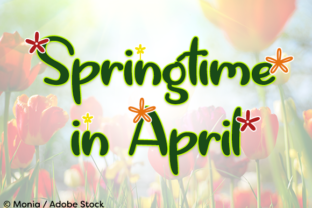
Springtime in April: A Handwritten Font for Creative Workflows
Springtime in April is more than just a font—it's a tool that can enhance the visual identity of your projects and streamline your creative process. This handwritten font brings a warm, authentic feel to any design, making it ideal for branding, marketing materials, and personal projects. Its friendly, stylized appearance adds a human touch that digital fonts often lack.
Whether you're working on a website, social media campaign, or printed document, Springtime in April offers a unique way to express your message with personality. Its versatility makes it suitable for both professional and personal use, allowing you to maintain a cohesive style across different platforms and formats.
Integrating Springtime in April into Your Workflow
When planning a design project, selecting the right font is an essential step. Springtime in April fits naturally into this process by providing a distinctive visual element that complements other design choices. Before starting a project, consider how this font can support your overall aesthetic and messaging strategy.
During the execution phase, using Springtime in April can help maintain consistency across multiple assets. For example, if you're creating a series of promotional posters, applying this font to headings and captions ensures a unified look. This consistency not only strengthens brand recognition but also improves the user experience by offering a familiar visual language.
After completing a project, you may want to review how Springtime in April performed in different contexts. Did it work well with other fonts? Was it readable in various sizes and formats? These insights can guide future font selections and help refine your design approach over time.
Use Cases for Springtime in April
Springtime in April is particularly effective in scenarios where a personal or emotional connection is important. For instance, in marketing campaigns targeting a younger, more casual audience, this font can add a sense of approachability and authenticity. It works well for slogans, taglines, and product labels that aim to convey warmth and creativity.
In educational settings, Springtime in April can be used to make learning materials more engaging. Teachers and educators might apply it to lesson plans, handouts, or classroom signage to create a more inviting environment. The font's readability at smaller sizes also makes it suitable for notes and annotations.
For small businesses and entrepreneurs, Springtime in April offers a cost-effective way to elevate their brand image. Whether it's for a logo, business card, or social media post, this font provides a professional yet personable look that can set them apart from competitors.
Compatibility and Practical Considerations
Before incorporating Springtime in April into your workflow, it's important to assess its compatibility with other tools and platforms. Most design software, including Adobe Creative Suite and Canva, supports custom fonts, making it easy to integrate this style into existing projects.
Usability is another key factor. While Springtime in April is visually appealing, it's essential to ensure it remains legible in different contexts. Test it in various sizes and backgrounds to confirm that it maintains clarity and impact. For body text, consider pairing it with a more neutral font to balance aesthetics with readability.
Organization and efficiency are also important when working with fonts. Keep track of which files use Springtime in April and ensure that all team members have access to the necessary resources. This helps avoid inconsistencies and streamlines the design process.
Enhancing Collaboration with Springtime in April
When working with a team, Springtime in April can serve as a shared visual element that promotes collaboration and alignment. By establishing a common design language, team members can work more efficiently and maintain a consistent output across different projects.
For remote teams, using this font can help create a sense of unity and cohesion. When presenting designs to clients or stakeholders, the font's friendly appearance can make the content feel more approachable and trustworthy. This can be especially beneficial in industries where trust and personal connection are critical.
Additionally, Springtime in April can be used in collaborative brainstorming sessions to inspire creativity. Its expressive style can encourage team members to think outside the box and explore new ideas that align with the project's goals.
Long-Term Use and Maintenance
As with any design element, maintaining the quality and relevance of Springtime in April requires ongoing attention. Regularly review how it performs in different projects and update your usage as needed. This ensures that it continues to meet your evolving needs and standards.
Quality control is also important. If you're using this font across multiple platforms or devices, verify that it displays consistently. Minor variations in rendering can affect the overall look and feel of your work, so it's worth investing time in testing and adjustments.
Finally, consider the long-term implications of using Springtime in April. Will it remain relevant as design trends evolve? How does it fit into your broader brand strategy? These questions can help you make informed decisions about its continued use and adaptation.
Conclusion: Embracing Springtime in April for Creative Success
Springtime in April is a valuable asset for anyone involved in design, marketing, education, or creative work. Its unique blend of style and functionality makes it a versatile choice for a wide range of applications. By integrating it thoughtfully into your workflow, you can enhance the visual appeal of your projects while maintaining a consistent and professional look.
Whether you're starting a new project, refining an existing one, or exploring new creative possibilities, Springtime in April offers a fresh and expressive way to communicate your message. With careful planning and practical implementation, this font can become an essential part of your design toolkit.