Markofontina: A Timeless Serif Font for Thoughtful Design
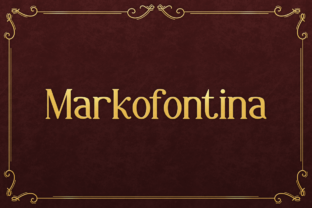
Markofontina is a beautifully classic serif font that brings a sense of tradition and elegance to any design project. Its refined letterforms and balanced structure make it ideal for everything from editorial layouts to branding materials. Whether you're a designer, marketer, or content creator, Markofontina offers a sophisticated look that can elevate your work. But like any font, it's important to understand how to use it effectively to avoid common pitfalls.
Many people choose Markofontina for its aesthetic appeal, but not everyone knows how to apply it in a way that enhances their message rather than distracts from it. This article will explore what makes Markofontina special, common mistakes in its use, and practical tips to help you get the most out of this timeless typeface.
What Makes Markofontina Unique?
Markofontina belongs to the serif family, which means it has small decorative strokes at the ends of characters. These details add a sense of refinement and readability, especially in print. The font’s design draws inspiration from traditional typography, making it a great choice for projects that aim to convey a sense of history, trustworthiness, or intellectual depth.
Its versatility allows it to work well in both digital and print formats. You’ll often see Markofontina used in book covers, magazine headers, and professional documents where a polished, old-world feel is desired. However, its strength lies in how it balances form and function—each character is designed with clarity in mind, ensuring that it remains legible even at smaller sizes.
Common Mistakes When Using Markofontina
One of the most frequent mistakes when working with Markofontina is overusing it. While its style is elegant, using it in large blocks of text can lead to readability issues. Serif fonts like Markofontina are best suited for headings, titles, and short phrases rather than body text. Overuse can make your design feel cluttered and hard to follow.
Another common error is choosing the wrong size or weight. Markofontina comes in various weights, from light to bold. Selecting the wrong one can affect how your message is perceived. For example, using a very light version in a headline might make it difficult to read from a distance, while a bold version could overwhelm a subtle design.
Some users also fail to consider the context in which they’re using the font. Markofontina works best in formal or semi-formal settings. If you’re designing something modern or minimalist, it may clash with the overall aesthetic. It’s important to align the font’s personality with the purpose of your project.
How Mistakes Can Affect Your Work
Using Markofontina incorrectly can have real consequences. Poorly chosen sizes or weights can reduce the effectiveness of your message, leading to confusion or disengagement from your audience. In professional settings, this can harm your credibility or the perception of your brand.
Additionally, improper use can increase the time and effort required to fix design issues later. For instance, if you use Markofontina in a long paragraph without proper spacing or line height, you may need to redo the layout entirely. This not only costs time but also affects the quality of your final output.
Cost is another factor. Some designers may download or purchase Markofontina without checking licensing terms, leading to legal complications. Always verify that you have the right to use the font in your specific project, whether it’s personal, commercial, or for a client.
Practical Tips for Using Markofontina Effectively
To avoid these issues, start by understanding the font’s strengths. Use Markofontina for headlines, logos, and short statements where its elegance can shine. Pair it with a simpler sans-serif font for body text to create contrast and improve readability.
When selecting a size and weight, test it in different contexts. For example, if you’re designing a website, preview Markofontina at various screen sizes to ensure it remains clear and visually appealing. Adjust spacing and line height as needed to maintain balance.
Before downloading or purchasing Markofontina, check the licensing information. Make sure it’s suitable for your intended use, whether you’re creating a personal blog, a business document, or a marketing campaign. Some fonts may require additional licenses for commercial projects.
Examples of Better Approaches
Instead of using Markofontina for an entire brochure, try using it for the title and subheadings, while keeping the body text in a more readable font like Arial or Helvetica. This creates a visual hierarchy that guides the reader through the content without overwhelming them.
If you’re designing a logo, consider using a bold version of Markofontina for the main text and a lighter weight for a tagline. This adds depth and sophistication to the design without sacrificing clarity.
For a website, use Markofontina sparingly—perhaps for section headers or call-to-action buttons. Pair it with a clean, modern font for the rest of the content to ensure a cohesive and user-friendly experience.
What to Check Before Using Markofontina
Before finalizing your design, review the following:
- Font Licensing: Confirm that you have the appropriate license for your project.
- Readability: Test the font at different sizes and in various environments.
- Contrast: Ensure it complements other elements in your design.
- Consistency: Avoid mixing too many fonts that clash in style or weight.
- Purpose: Align the font’s tone with the message you want to convey.
By taking these steps, you can ensure that Markofontina enhances your work rather than detracts from it. Remember, the goal is to communicate clearly and effectively, and the right font choice plays a key role in achieving that.