Mahoni: A Handwritten Script Font That Combines Elegance and Approachability
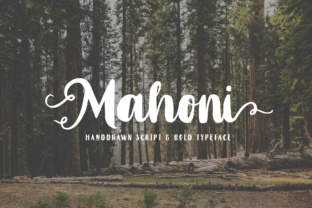
Mahoni is a handwritten script font that stands out for its unique blend of elegance and warmth. Designed with a high contrast calligraphy style, it offers a visually striking yet approachable aesthetic that can elevate a wide range of design projects. Whether you're working on branding, editorial layouts, or digital content, Mahoni provides a fresh alternative to more rigid typefaces.
What makes Mahoni particularly compelling is its balance between sophistication and accessibility. The font’s fluid strokes and subtle variations give it a handcrafted feel, which can add authenticity to any design. This quality makes it especially useful for projects aiming to convey a personal touch or a sense of craftsmanship.
Key Characteristics of Mahoni
Mahoni features a distinct set of visual traits that define its personality. Its high contrast between thick and thin strokes creates a dynamic rhythm that draws the eye. The letterforms are slightly irregular, mimicking the natural variation found in real handwriting, which adds to the font's organic appeal.
The font includes a full set of uppercase and lowercase letters, along with standard punctuation and ligatures. These elements work together to maintain consistency while still allowing for expressive typography. The spacing and kerning are well-balanced, ensuring that the font remains readable even at smaller sizes.
One of Mahoni’s standout features is its versatility. It can be used in both modern and traditional contexts, making it suitable for a variety of industries and design styles. From wedding invitations to marketing materials, Mahoni adapts well to different applications without losing its character.
Practical Uses and Real-World Performance
In practical terms, Mahoni excels in situations where a personal and authentic tone is desired. For instance, it can be an excellent choice for branding elements such as logos, business cards, and social media profiles. Its handwritten appearance helps create a connection with the audience, making it ideal for small businesses or creative professionals looking to stand out.
When used in editorial design, Mahoni can serve as a headline font that adds visual interest without overwhelming the reader. It pairs well with sans-serif or serif fonts, allowing designers to create balanced compositions. However, due to its decorative nature, it’s best used in limited quantities rather than as a body text font.
For digital use, Mahoni performs reliably across platforms and devices. Its legibility is maintained at various sizes, though it may require some adjustments in spacing depending on the context. Designers should also consider the file size and licensing when integrating Mahoni into larger projects.
Strengths and Value Proposition
Mahoni’s primary strength lies in its ability to convey a sense of warmth and individuality. In a world dominated by clean, geometric typefaces, Mahoni offers a refreshing alternative that can make designs feel more human. This quality is especially valuable in industries where personalization and emotional connection are key, such as education, wellness, and lifestyle branding.
The font’s flexibility allows it to be used in both print and digital formats, expanding its utility for designers. Its high contrast and fluid lines make it visually engaging, while its consistent structure ensures that it remains professional and polished. These attributes contribute to its long-term value, as it can be reused across multiple projects without appearing outdated.
From a usability standpoint, Mahoni is straightforward to implement. Most design software supports it, and it typically comes with a variety of weights and styles. This makes it easy for designers to experiment with different looks and find the right fit for their work.
Who Benefits Most from Mahoni?
Entrepreneurs and small business owners looking to establish a unique brand identity will find Mahoni particularly useful. Its handwritten style can help differentiate their offerings in a competitive market. For example, a boutique coffee shop might use Mahoni for signage or packaging to create a cozy, artisanal vibe.
Marketers and content creators can also benefit from Mahoni’s approachable aesthetic. It can be used in social media posts, email newsletters, and promotional materials to add a personal touch that resonates with audiences. This is especially effective for campaigns targeting younger demographics who value authenticity and creativity.
Freelancers and designers working on custom projects may appreciate Mahoni for its ability to add a distinctive flair to their work. Whether it’s for a client’s logo or a special event invitation, the font can enhance the overall visual appeal without requiring extensive design adjustments.
Considerations and Limitations
While Mahoni has many strengths, it’s important to recognize its limitations. Its decorative nature means it may not be suitable for all design scenarios. In formal or corporate settings, a more restrained typeface might be more appropriate. Additionally, because of its high contrast, it may require careful attention to spacing and alignment to avoid visual clutter.
Designers should also consider the readability of Mahoni in different contexts. At very small sizes or in low-resolution environments, the fine details may become less clear. Testing the font in various applications is recommended to ensure it meets the project’s requirements.
Finally, users should verify the licensing terms before using Mahoni in commercial projects. Some fonts come with restrictions on usage, and understanding these rules is essential to avoid legal issues down the line.
Final Thoughts on Mahoni
Mahoni is a versatile and expressive font that can bring a sense of warmth and individuality to design work. Its elegant yet approachable style makes it a valuable tool for professionals seeking to add a personal touch to their projects. While it may not be the best fit for every situation, its unique qualities make it worth considering for a wide range of applications.
For those looking to stand out in a crowded design landscape, Mahoni offers a fresh and authentic option. By understanding its strengths and limitations, designers can make informed decisions about when and how to use it effectively. Ultimately, Mahoni is a font that can enhance creativity and communication when used thoughtfully.