Hart: A Handcrafted Font for Creative Expression
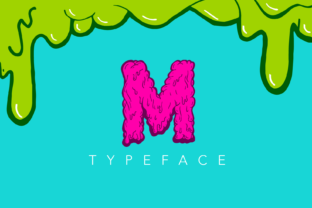
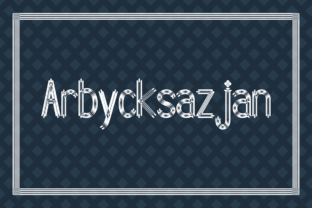
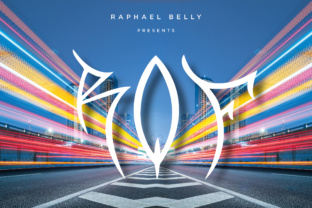
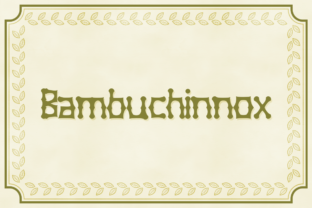
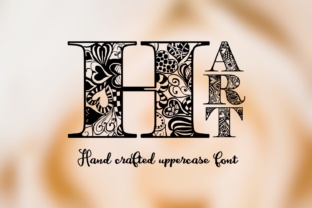
Hart is a distinctive handcrafted, decorative uppercase font that offers a unique blend of texture and charm. Designed with a focus on visual appeal, this font is ideal for those looking to add a personalized touch to their design projects. Its stylized appearance makes it particularly well-suited for monogramming and branding efforts, where a custom feel is desired.
What Makes Hart Unique?
Hart stands out due to its hand-drawn aesthetic, which gives it a more organic and artistic look compared to standard digital fonts. The font's uppercase letters are crafted to resemble handwritten script, making it an excellent choice for projects that require a personal or artisanal feel. This style can enhance the visual interest of logos, invitations, and other design elements that benefit from a more tactile and creative presentation.
Reasons to Consider Hart
Individuals who value customization and uniqueness in their design work may find Hart appealing. Its decorative nature allows for expressive typography that can convey a sense of elegance or whimsy, depending on how it is used. For those working on branding initiatives, Hart can help create a cohesive and memorable identity that sets their work apart from more generic typefaces.
Additionally, Hart is versatile enough to be used in a variety of contexts. It works well in both digital and print formats, making it suitable for web design, graphic art, and physical media such as signage or packaging. Its ability to add texture and character makes it a popular choice among designers, crafters, and artists looking to elevate their projects with a distinct visual style.
Benefits of Using Hart
One of the primary benefits of Hart is its ability to add personality to any design. Unlike standard fonts that may feel impersonal or generic, Hart brings a human element to typography, which can make a significant difference in how a message is perceived. This is especially valuable in creative industries where originality and individuality are key.
Another advantage is its suitability for monogramming. Whether used for wedding invitations, personalized gifts, or branded merchandise, Hart can help create a sense of sophistication and attention to detail. Its decorative style also makes it ideal for use in headers, titles, and other prominent text elements where visual impact is important.
Considerations and Tradeoffs
While Hart offers many advantages, it is important to consider its limitations. Due to its decorative nature, it may not be the best choice for body text or long paragraphs, as readability could be compromised. Designers should ensure that the font is used appropriately, balancing its aesthetic appeal with legibility requirements.
Additionally, the handcrafted style of Hart may not align with all design aesthetics. For projects that require a more modern or minimalist look, alternative fonts might be more suitable. It is also worth noting that some users may find the font’s complexity challenging when working with multiple languages or special characters, as not all glyphs may be fully supported.
Situations Where Hart Fits Well
Hart is particularly effective in situations where a custom, handcrafted feel is desired. This includes branding for small businesses, personal projects, or events that require a unique and artistic touch. It is also well-suited for design elements that serve as focal points, such as logos, banners, and promotional materials.
For crafters and DIY enthusiasts, Hart can be a valuable tool for adding a personalized flair to handmade items like greeting cards, embroidery, or custom signs. Its decorative qualities make it ideal for projects that emphasize creativity and individuality, allowing users to express their unique style through typography.
When Alternatives May Be Better
In cases where clarity and simplicity are prioritized, alternative fonts may be more appropriate. For instance, if a project requires a clean, professional look, a sans-serif or serif font might be a better fit. Similarly, for digital interfaces or content-heavy designs, a more readable typeface would be preferable to ensure accessibility and usability.
Users should also consider the availability of the font. While Hart may be available for purchase or download, it is important to verify licensing terms and compatibility with different design software. In some cases, free alternatives with similar styles may offer greater flexibility without the need for additional costs.
Decision-Making Insights
When evaluating whether Hart is the right choice, it is essential to align its characteristics with specific project goals. If the objective is to create a visually striking and personalized design, Hart can be an excellent option. However, if the primary focus is on functionality or broad applicability, other fonts may be more suitable.
Designers and creators should also test the font in different contexts to see how it performs. Experimenting with various sizes, colors, and backgrounds can help determine its effectiveness in a given application. This trial-and-error approach can lead to more informed decisions and better results.
Ultimately, the decision to use Hart should be based on its ability to meet the specific needs of a project. By considering factors such as aesthetics, readability, and practicality, users can determine whether this font aligns with their creative vision and objectives.