Denson: A Versatile Sans Serif for Creative Projects
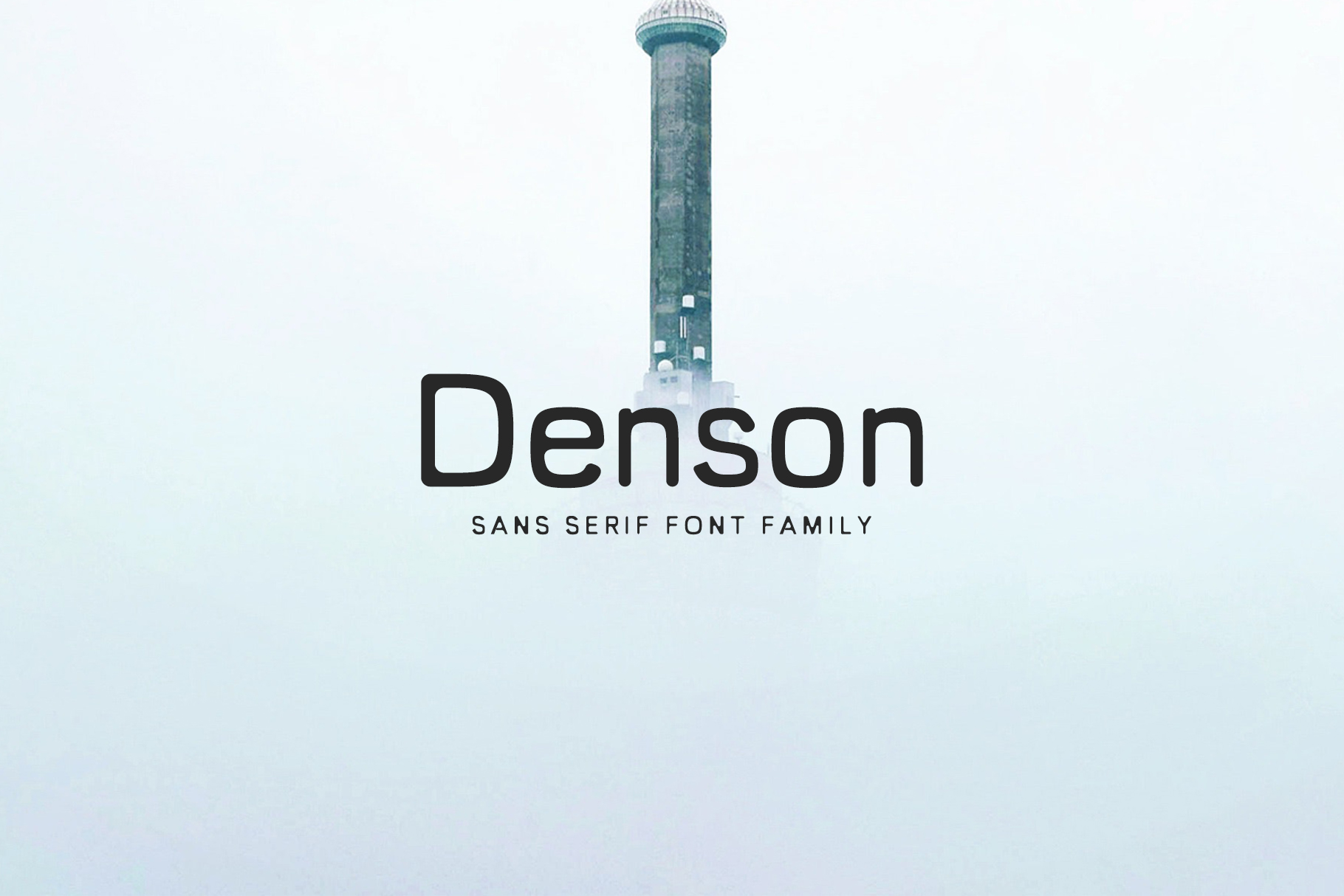
The Denson and Denson Sans Serif Font Family is a modern, rounded sans serif typeface that offers a clean, approachable look. With three distinct weights, it provides flexibility for a wide range of design needs. Whether you're working on a logo, a presentation, or a magazine layout, Denson brings a sense of sophistication and clarity to your work.
What makes Denson stand out is its balanced structure and friendly curves. The font's rounded edges give it a soft, welcoming feel, while the consistent stroke width ensures readability across different sizes and formats. This combination makes it ideal for both digital and print media, offering a timeless aesthetic that adapts well to various design contexts.
Why Denson Works for Different Design Needs
Denson’s versatility is one of its greatest strengths. Its rounded shapes and even spacing make it highly legible in both uppercase and lowercase forms. When used in all caps, the font takes on a more formal, elegant appearance, perfect for titles, headers, or branding elements that require a polished look. In lowercase, it maintains a friendly and approachable tone, making it suitable for body text, captions, or web content where readability is key.
For designers, the three available weights—light, regular, and bold—allow for effective typographic hierarchy. Light can be used for subtle accents or background text, regular for main content, and bold for headings or emphasis. This range ensures that Denson can support a variety of visual styles without compromising on clarity or aesthetics.
Creative Applications for Denson
There are countless ways to use Denson in creative projects. For instance, in logo design, the font’s rounded shape can convey a sense of approachability and modernity. It works particularly well for brands targeting younger audiences or those looking to communicate a friendly, innovative image. Its clean lines also make it a strong choice for minimalist logos that need to remain recognizable at small sizes.
In presentations, Denson can help create a professional yet engaging visual identity. Its readability ensures that slides remain easy to follow, while its stylish appearance adds a touch of refinement. Whether used for slide titles, bullet points, or data displays, Denson enhances the overall impact of the presentation without overwhelming the viewer.
For print materials like posters, magazines, or brochures, Denson’s wide-set spacing in uppercase form can add a sophisticated flair. This makes it ideal for headlines or section dividers that need to stand out. At the same time, its lowercase form remains easy to read in longer paragraphs, ensuring that the content remains accessible and engaging.
Adapting Denson for Different Audiences and Contexts
Designers can tailor their use of Denson based on the target audience and platform. For example, when creating content for a tech startup, the font’s modern look aligns well with the brand’s identity. In contrast, for a luxury brand, using Denson in all caps with wider spacing can evoke a sense of elegance and exclusivity.
On digital platforms such as websites or social media, Denson can help maintain a cohesive visual language. Its adaptability means it can be used for everything from navigation menus to call-to-action buttons. When paired with other design elements, such as icons or color schemes, Denson contributes to a unified and professional look.
For educators or publishers, Denson’s readability makes it a great option for textbooks, lesson plans, or educational materials. Its friendly curves can make complex information feel less intimidating, encouraging engagement and comprehension. In this context, the font’s balance between style and functionality becomes especially valuable.
Practical Tips for Using Denson Effectively
To get the most out of Denson, consider the following tips. First, experiment with spacing and alignment to find the right balance for your project. The font’s wide-set spacing in uppercase form can be especially effective when used for headings or titles, but it may require adjustment when used in body text to avoid excessive white space.
Second, pair Denson with complementary fonts to enhance visual contrast. For example, combining it with a more traditional serif font can create a dynamic interplay between modern and classic styles. This approach can add depth to your design while maintaining clarity and coherence.
Finally, test Denson across different mediums and sizes to ensure it performs well in all contexts. What looks good on a screen may not translate as effectively to print, and vice versa. By evaluating the font in real-world scenarios, you can make informed decisions about its use and optimize the final result.
Conclusion: Denson for Every Creative Vision
Denson is more than just a font—it’s a tool that empowers designers to express their ideas with clarity and style. Its rounded, versatile design makes it suitable for a wide range of applications, from logos and branding to web layouts and print materials. Whether you’re a designer, marketer, or entrepreneur, Denson offers a reliable and elegant solution for your creative projects.
By understanding its strengths and exploring its potential, you can unlock new possibilities for your work. With Denson, every design has the chance to be both visually appealing and functionally effective, helping you connect with your audience in a meaningful way.