Begorra: A Hand-Made Serif Font for Cartoonish Themes
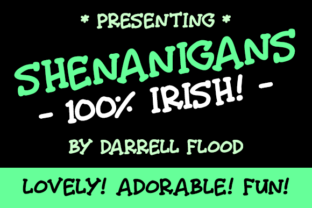
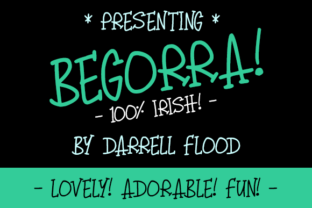
Begorra is a distinctive serif font that stands out for its energetic, hand-made aesthetic. Designed by Darrell Flood, this font features a loose, marker-like style that gives it a playful and dynamic feel. It's particularly well-suited for projects that require a whimsical or cartoonish tone. Understanding the characteristics of Begorra can help designers and developers determine whether it aligns with their creative goals.
What Makes Begorra Unique?
Begorra is not a conventional serif font. Its design incorporates irregularities and organic shapes that mimic the look of a hand-drawn marker. This gives the typeface a sense of spontaneity and charm that is difficult to replicate with more rigid fonts. The font’s structure includes variations in stroke width and subtle imperfections, which contribute to its handmade appearance.
The font’s name, Begorra, reflects its lively and expressive nature. It is ideal for use in branding, logos, and other visual elements where a casual, fun, or artistic vibe is desired. However, its unique style may not be suitable for all applications, especially those requiring a more formal or traditional look.
Reasons to Consider Begorra
Designers might choose Begorra for several reasons. Its distinctiveness makes it a strong option when a project needs to stand out visually. The font’s playful character can enhance the appeal of content aimed at younger audiences or creative industries. Additionally, its marker-like style can add a tactile quality to digital designs, making them feel more personal and approachable.
For those working on cartoonish themes, Begorra offers a cohesive visual language that complements animated or illustrative styles. It can be used in titles, headings, or decorative elements to reinforce a whimsical theme. The font’s versatility allows it to work in both print and digital formats, though its readability may vary depending on the context.
Benefits and Tradeoffs of Using Begorra
One of the main benefits of Begorra is its ability to convey energy and creativity. Its informal style can make text more engaging and memorable, especially in marketing materials or creative campaigns. The font also provides a fresh alternative to more common serif fonts, helping to avoid visual monotony.
However, there are tradeoffs to consider. Begorra’s loose, hand-made appearance may reduce its legibility in certain situations, particularly in smaller sizes or when used for body text. Designers should test the font in different contexts to ensure it meets their needs. Additionally, while its uniqueness is an asset, it may not be appropriate for all types of projects, such as corporate or academic publications.
Situations Where Begorra Is a Strong Fit
Begorra excels in environments where a casual, artistic, or playful tone is desired. It is particularly effective for children’s books, educational materials, and branding for creative businesses. Its marker-like style can also enhance the visual appeal of posters, advertisements, and social media graphics.
For designers working on projects with a storytelling or narrative focus, Begorra can add a sense of movement and personality. It is also useful for creating visual hierarchies, where its bold and expressive nature can draw attention to key elements without overwhelming the overall design.
Situations Where Alternatives May Be Better
In more formal or professional settings, alternatives to Begorra may be more appropriate. Fonts with a cleaner, more structured appearance often provide better readability and a more polished look. For instance, traditional serif fonts like Times New Roman or Georgia may be preferred for long-form text or official documents.
When the goal is to maintain a consistent and neutral visual identity, a more restrained font may be a better choice. Additionally, if the target audience expects a high level of professionalism, the informal nature of Begorra could be seen as unprofessional or distracting.
Practical Insights for Decision-Making
Before selecting Begorra, it is important to evaluate how it fits into the broader design scheme. Testing the font in different sizes and layouts can reveal potential issues with legibility or visual balance. Designers should also consider the message they want to convey and whether Begorra supports that intent.
Collaboration with other team members or stakeholders can provide valuable feedback on the font’s effectiveness. If the goal is to create a strong visual impact, Begorra can be a powerful tool. However, if clarity and consistency are priorities, a more conventional font may be preferable.
Ultimately, the decision to use Begorra should be based on a clear understanding of its strengths and limitations. By weighing these factors, designers can make informed choices that align with their creative and functional objectives.