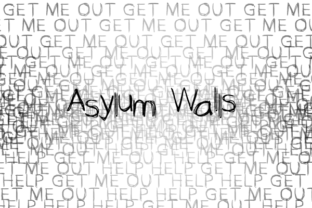
Asylum Walls: A Bold Font for Creative and Horror Projects
Asylum Walls is a unique handwritten script font that brings a raw, textured aesthetic to any design project. Its scratchy, organic look makes it ideal for horror themes, edgy branding, and creative endeavors that require a distinctive visual identity. While its high level of detail might seem overwhelming at first, Asylum Walls remains surprisingly legible, making it a versatile choice for a wide range of applications.
This font is particularly well-suited for designers, content creators, and marketers who want to add a sense of urgency, tension, or rebellion to their work. Whether you're designing a movie poster, a logo, or a social media campaign, Asylum Walls can help you convey the right mood and message.
Understanding Where Asylum Walls Fits in the Design Process
Integrating Asylum Walls into your workflow requires an understanding of how it complements other design elements. It’s not a one-size-fits-all solution, but when used appropriately, it can elevate the overall impact of your project. Before incorporating it into your designs, consider the context and purpose of the work.
For example, if you're working on a horror-themed website or a marketing campaign for a dark-themed event, Asylum Walls can serve as a strong visual anchor. However, if the project requires a clean, professional look, this font may not be the best choice. Understanding the tone and audience of your project will help you decide whether Asylum Walls is a good fit.
Using Asylum Walls in Different Stages of a Project
Asylum Walls can be used at various stages of a project, from initial concept development to final execution. During the brainstorming phase, it can inspire a creative direction by adding a sense of grit and intensity. When designing a logo or title, it can provide a striking visual element that stands out from more traditional fonts.
During the implementation phase, Asylum Walls can be paired with other design tools to enhance the overall composition. For instance, combining it with bold colors or contrasting textures can create a dynamic visual effect. In post-production, it can be used to add a final touch to a design, reinforcing the intended mood or message.
How Asylum Walls Integrates with Other Tools and Methods
When working with digital design platforms like Adobe Photoshop, Illustrator, or Canva, Asylum Walls can be easily imported and customized. These tools allow for fine-tuning of spacing, size, and style to ensure the font works seamlessly within the design. It's important to test the font across different mediums, such as print and web, to ensure consistency and readability.
Asylum Walls also pairs well with other fonts that have a more structured or modern feel. This contrast can help balance the rough texture of the script, preventing the design from becoming too chaotic. For example, using a sans-serif font alongside Asylum Walls can create a visually pleasing hierarchy that guides the viewer’s eye effectively.
Practical Implementation Tips for Asylum Walls
To get the most out of Asylum Walls, start by experimenting with different sizes and placements. Due to its textured nature, smaller text may lose some clarity, so it's best to use it for headings, titles, or prominent design elements. Larger text, on the other hand, allows the font's details to shine through, creating a stronger visual impact.
Another tip is to pay attention to the background and color scheme. Asylum Walls often looks best on dark or neutral backgrounds, where its texture and contrast stand out. Avoid using it on busy or patterned backgrounds, as this can make the text difficult to read.
Workflow Examples with Asylum Walls
Consider a scenario where a designer is creating a promotional poster for a horror film. They might begin by sketching out the layout and selecting a color palette that evokes fear and suspense. Once the basic structure is in place, they could add a headline in Asylum Walls to give the poster a gritty, authentic feel. This approach not only enhances the visual appeal but also reinforces the thematic elements of the design.
In another example, a marketer might use Asylum Walls for a social media campaign targeting a younger, edgier audience. By incorporating the font into headlines, captions, and banners, they can create a consistent brand identity that resonates with their target demographic. This strategy helps build recognition and emotional connection with the audience.
Factors to Consider for Long-Term Use
When planning to use Asylum Walls over an extended period, consider factors such as compatibility, scalability, and accessibility. Ensure that the font is supported across all platforms and devices where it will be displayed. This includes checking for proper rendering on mobile screens, web browsers, and print materials.
Additionally, think about how the font will perform in different languages and scripts. While Asylum Walls is primarily designed for English, its effectiveness may vary when used with other languages that have different character sets. Testing the font in these scenarios can help identify any potential issues early on.
Conclusion: Making Asylum Walls Work for Your Needs
Asylum Walls is more than just a font—it's a tool that can add depth, emotion, and uniqueness to your creative projects. By understanding its strengths and limitations, you can integrate it into your workflow in a way that enhances your designs without overwhelming them. Whether you're working on a personal project or a professional campaign, Asylum Walls offers a powerful way to express your vision with a bold, textured edge.